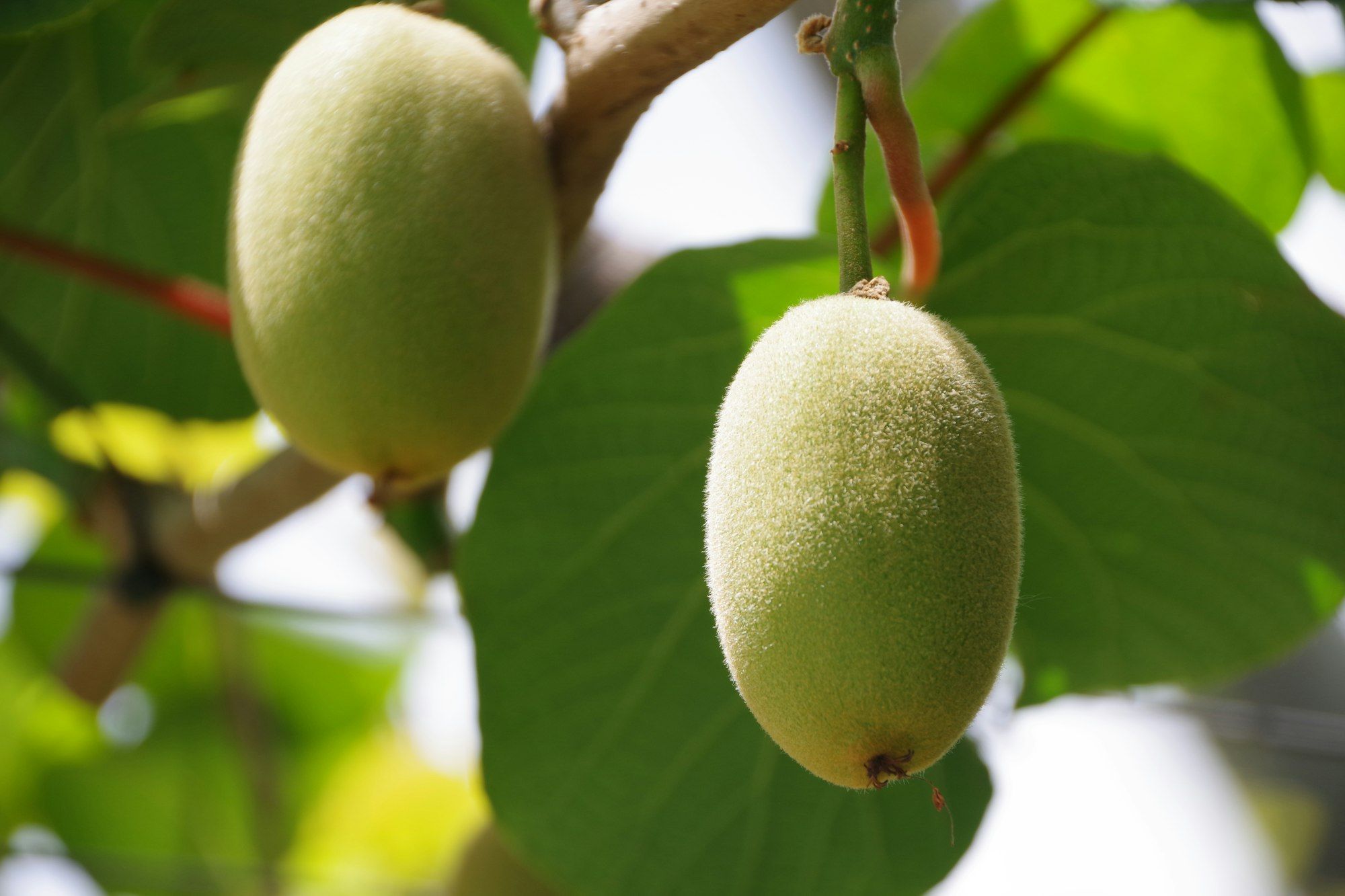
Why horticulture cash flow is so stretched
In most businesses, you do the work and get paid within weeks. In horticulture, the gap can be a year or more. A kiwifruit orchard in Te Puke spends through winter pruning, spring pollination and summer thinning and canopy work before a single tray is picked in autumn — and the returns then arrive in stages.
Zespri’s own grower payment information describes that staging: harvest from mid-March to early May, submit payments paid weekly until the end of June, progress payments monthly through the season, and loyalty payments into the following year. It’s a well-organised system, but for an individual grower it means a long wait between spending and being paid in full.
Vineyards face their own version. Vintage runs through March and April, while grape payments from wineries are often spread across instalments. In 2025, oversupply meant some growers were without contracts heading into the 2026 harvest — a reminder that the income side can be as uncertain as the cost side.
Where the money goes before the money comes
- Labour — pruning, thinning, picking and packing crews, often paid weekly.
- Inputs — fertiliser, sprays, bird netting, frost protection.
- Equipment — tractors, platforms, sprayers, frost fans, bins.
- Contractors — pollination, canopy management, harvesting.
- Tax — provisional tax instalments that may fall before the season’s payments are in.
Contractors: the hidden squeeze
Orchard and vineyard contractors often feel the pinch hardest. They pay crews every week but invoice growers monthly, and may wait another month or more to be paid. A contractor running three crews through a Hawke’s Bay apple harvest can carry weeks of wages before a cent comes back. A revolving line of credit that’s drawn for wages and repaid as growers pay is often the cleanest fix.
Funding options for growers and agribusiness
| Need | Usual fit |
|---|---|
| Repeating seasonal gap | Business line of credit, for businesses usually trading 6+ months |
| New equipment before a season | Unsecured or property-secured loan |
| Larger working capital need | Property-secured loan, $20,000 to $1m, including against land |
| Tax built up after a tough year | Property-secured loan to pay out or refinance IRD debt |
Property-secured loans can be secured on land, a home, a rental or commercial property owned by you or a supporting party. No financials or tax returns are needed for the initial assessment, and bad credit or arrears are considered case by case.
Reading a grower’s bank statements
A lender looking at an orchard’s account sees big outgoings for most of the year and irregular but significant deposits. Without context, that can look alarming. With context — which payment arrives when, what last season returned, what’s committed for this one — it looks like a normal horticultural business. We make sure that context travels with your enquiry.
Example scenario
Example scenario — illustrative only. A Bay of Plenty kiwifruit orchard owner wants to replace an ageing frost fan before spring and cover pruning labour through winter while waiting on the season’s later payments. The owner uses a property-secured loan against the orchard land for the frost fan and a smaller line of credit for labour, drawing it down over winter and clearing it as payments arrive.
Planning ahead
Our guide to the kiwifruit and horticulture cash cycle maps a typical year month by month, and the seasonal cash flow plan guide shows how to build your own.
Pricing
Every facility is priced on your individual circumstances. We don’t publish rates; we find the sharpest option available for your operation.
Start the conversation
The 60-second enquiry is free and doesn’t affect your credit score. Tell us what you grow or do and when your payments land, and a lending specialist will call you back.